


Tsar Bomba: Bom Terkuat yang Pernah Diledakkan
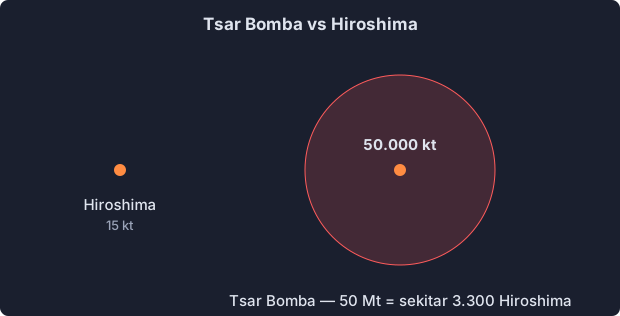
Pada 30 Oktober 1961 Uni Soviet meledakkan perangkat peledak terkuat yang pernah dibuat. Secara resmi disebut produk AN602, bom itu tercatat dalam sejarah sebagai Tsar Bomba, Raja Segala Bom. Daya ledaknya, sekitar 50 megaton, setara dengan kira-kira 3.300 ledakan Hiroshima, dilepaskan dalam satu kilatan di atas kepulauan Arktik Novaya Zemlya.
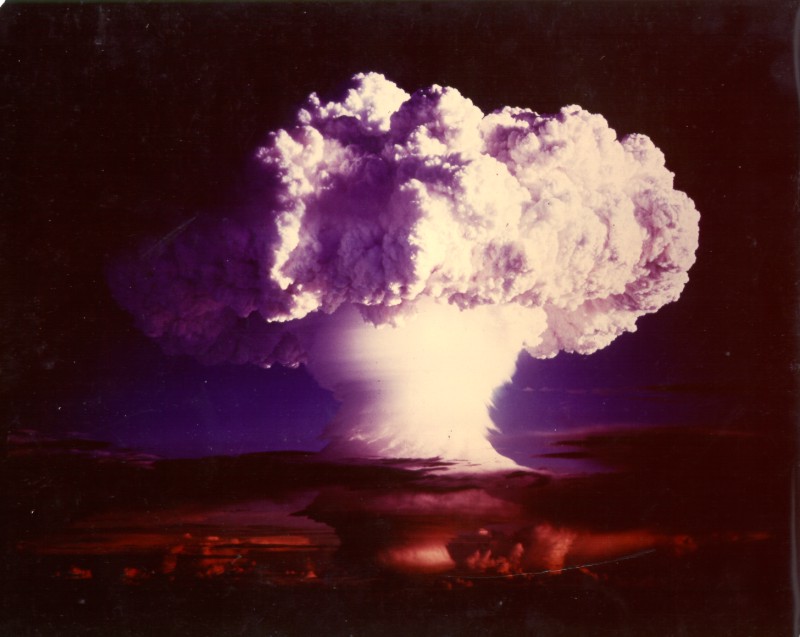
Rancangan 100 megaton yang diledakkan dengan setengah daya
Senjata ini adalah rancangan termonuklir tiga tingkat dengan panjang sekitar 8 meter dan bobot 27 ton. Sesuai rancangannya ia akan mencapai sekitar 100 megaton, tetapi untuk uji coba, tamper uranium pada tingkat fusinya diganti timbal. Ini memangkas daya ledak menjadi separuh dan, yang terpenting, menjaga ledakannya relatif “bersih”: sekitar 97% energinya berasal dari fusi, menghasilkan jatuhan radioaktif jauh lebih sedikit daripada versi berdaya penuh. Meski begitu, konfigurasi 100 Mt penuh tidak pernah diuji; jatuhan radioaktifnya dan ketidakmungkinan pesawat yang menjatuhkannya untuk meloloskan diri membuatnya tidak praktis. Anda dapat membandingkan keduanya di peta: uji coba 50 Mt yang sebenarnya di Novaya Zemlya dan ledakan 100 Mt hipotetis di atas New York.
Uji coba
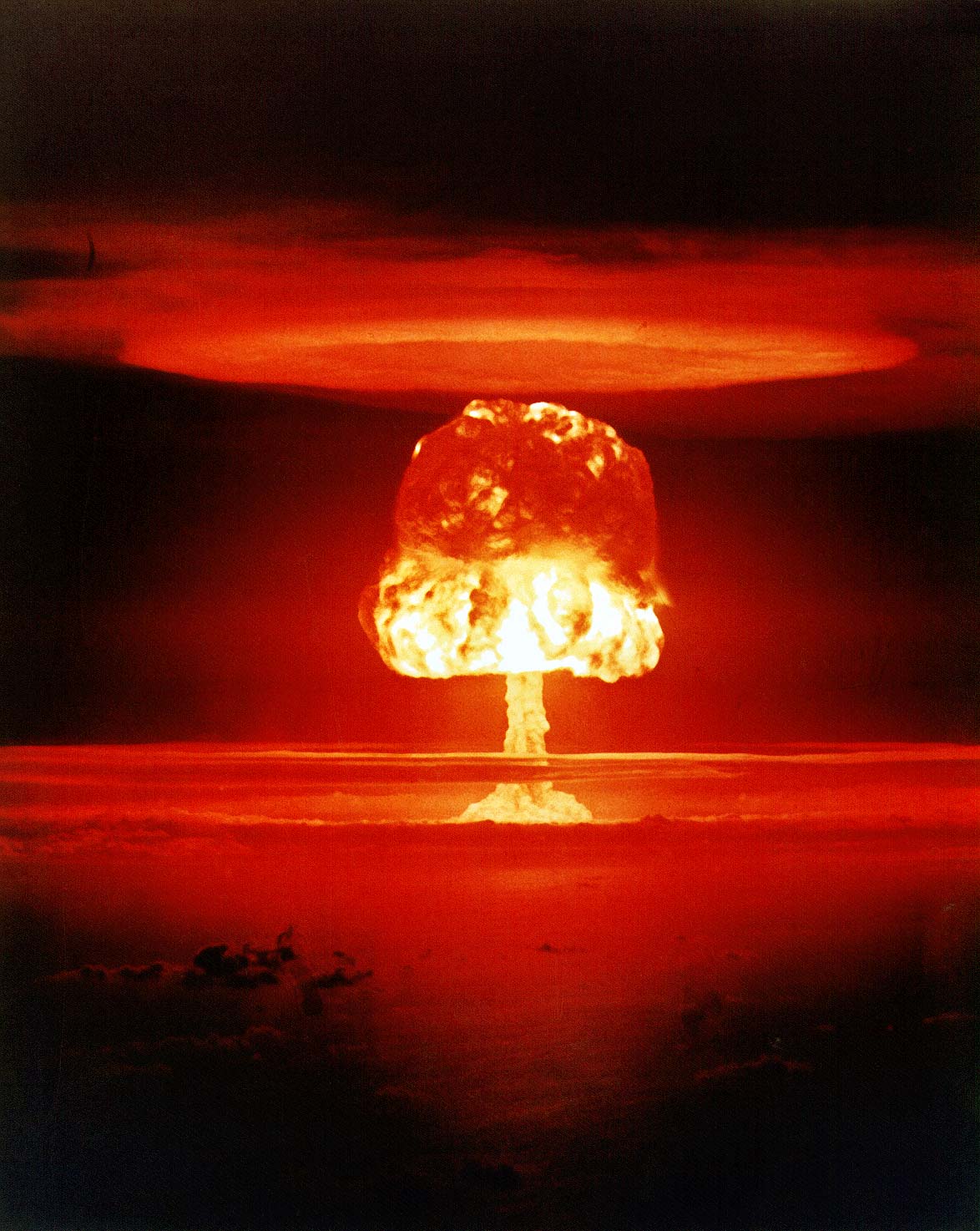
Pesawat pengebom Tu-95 yang dimodifikasi khusus melepaskan bom dari ketinggian 10.500 meter dengan parasut raksasa, memberi awaknya waktu untuk terbang sekitar 45 km sebelum ledakan pada ketinggian 4.000 meter; meski begitu, pesawatnya masih terhempas turun satu kilometer oleh gelombang kejut. Bola apinya bergaris tengah kira-kira 8 km; awan jamurnya membubung sekitar 64 km, tujuh kali tinggi Everest. Kilatannya terlihat dari jarak 1.000 km, rumah-rumah kayu hancur dan kaca jendela pecah di permukiman ratusan kilometer dari titik nol, dan gelombang tekanan atmosfernya mengelilingi Bumi tiga kali.
Mengapa tak pernah dibuat yang lebih besar
Tsar Bomba lebih merupakan pernyataan politik daripada senjata: ia terlalu berat untuk rudal mana pun, dan radius kehancurannya hanya bertambah sebanding dengan akar pangkat tiga daya ledaknya, sehingga satu bom raksasa jauh lebih tidak efisien daripada beberapa hulu ledak lebih kecil yang disebar. Kedua negara adidaya menarik kesimpulan yang sama: akurasi mengalahkan ukuran. Dalam satu dasawarsa perlombaan senjata beralih ke beberapa hulu ledak kecil per rudal, seperti dijelaskan di cara kerja senjata nuklir.
Warisan
Uji coba ini terjadi di puncak ketegangan Perang Dingin, dan rekor yang dibuatnya menjadi bagian dari latar belakang Perjanjian Larangan Uji Coba Terbatas 1963: kekhawatiran dunia atas jatuhan radioaktif dari ledakan seperti ini mendorong negara-negara besar melarang uji coba di atmosfer. Tsar Bomba tetap menjadi peristiwa yang tiada duanya; lihat konteksnya di halaman sejarah uji coba nuklir, atau muat bom ini di atas kota mana pun di simulator.