






Hiroshima dan Nagasaki: Satu-satunya Serangan Nuklir dalam Sejarah
Pada 6 dan 9 Agustus 1945 Amerika Serikat menjatuhkan bom nuklir di kota Hiroshima dan Nagasaki, Jepang. Itulah satu-satunya penggunaan senjata nuklir terhadap manusia sepanjang sejarah. Jepang menyerah pada 15 Agustus, mengakhiri Perang Dunia Kedua.
Hiroshima, 6 Agustus 1945
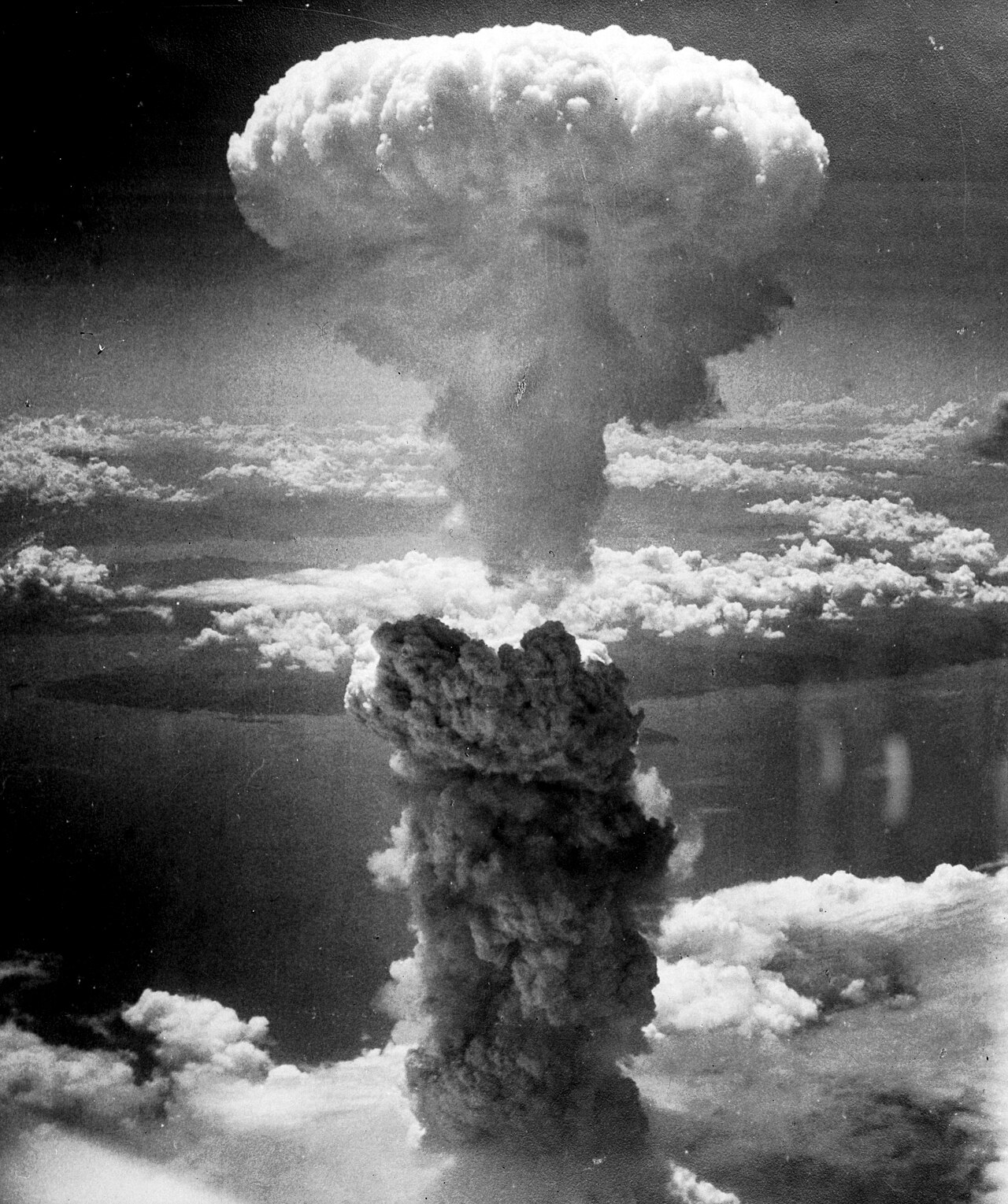
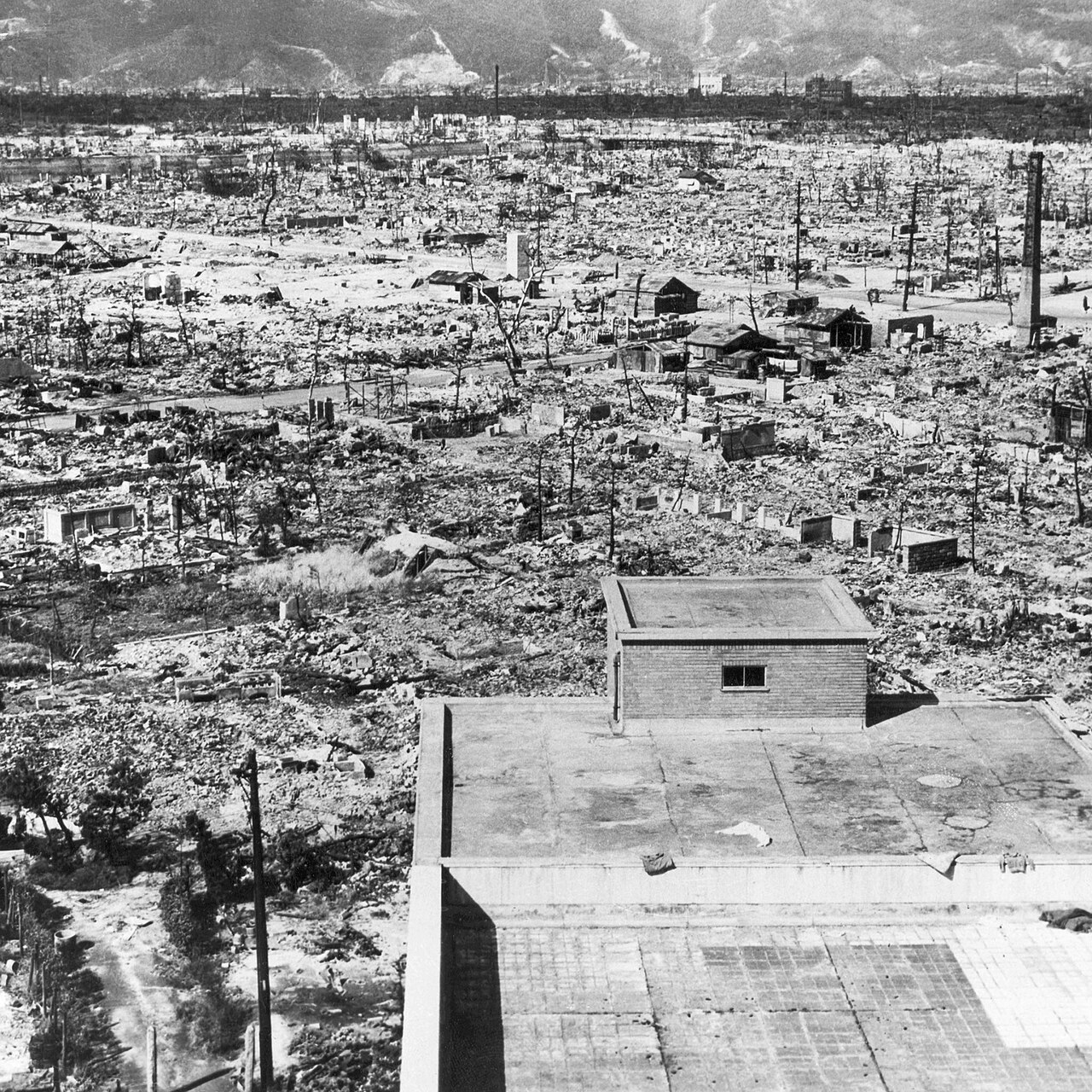
Pukul 08.15 pesawat B-29 Enola Gay melepaskan Little Boy, bom uranium tipe senapan berkekuatan sekitar 15 kiloton, yang meledak sekitar 580 meter di atas pusat kota. Ketinggian ledakan di udara dipilih untuk memaksimalkan kerusakan akibat hempasan, persis kompromi yang dapat Anda telusuri sendiri dengan pengaturan ledakan di udara di simulator. Dalam radius sekitar dua kilometer hampir setiap bangunan hancur atau terbakar; badai api menyusul. Diperkirakan 70.000 orang tewas seketika, dan pada akhir 1945 jumlah korban mencapai kira-kira 140.000 dari populasi sekitar 350.000.
Nagasaki, 9 Agustus 1945
Tiga hari kemudian Fat Man, bom plutonium implosi berkekuatan sekitar 21 kiloton, rancangan yang sama dengan yang telah terbukti pada uji coba Trinity, dijatuhkan di Nagasaki, sasaran cadangan yang dipilih ketika awan menutupi Kokura. Meski bomnya lebih kuat daripada Little Boy, medan berbukit membatasi kehancuran pada lembah Urakami: sekitar 40.000 orang tewas seketika dan sekitar 70.000 hingga akhir tahun. Kontras antara kedua kota tetap menjadi pelajaran sejarah paling jelas tentang bagaimana medan mengubah dampak nuklir, sesuatu yang tidak sepenuhnya tertangkap oleh model ideal mana pun.
Apa yang membunuh orang
Penelitian terhadap para penyintas menunjukkan kematian berasal dari gabungan dampak yang dijelaskan di halaman dampak kami: kilatan termal menimbulkan luka bakar fatal hingga sekitar 3,5 km, hempasan merobohkan bangunan dan melontarkan puing, kebakaran menyatu menjadi badai api, dan radiasi seketika memberikan dosis mematikan dalam radius kira-kira 1,3 km. Puluhan ribu orang yang selamat pada hari itu meninggal pada minggu-minggu berikutnya akibat luka bakar dan sakit radiasi, pola kematian tertunda yang mengejutkan bahkan para pembuat bomnya. Sekitar 94.000 penyintas terdaftar (hibakusha) yang diteliti sepanjang hidupnya menunjukkan angka kanker yang lebih tinggi secara terukur, dan data mereka menopang standar keselamatan radiasi di seluruh dunia hingga hari ini.
Kedua bom dalam ukuran masa kini
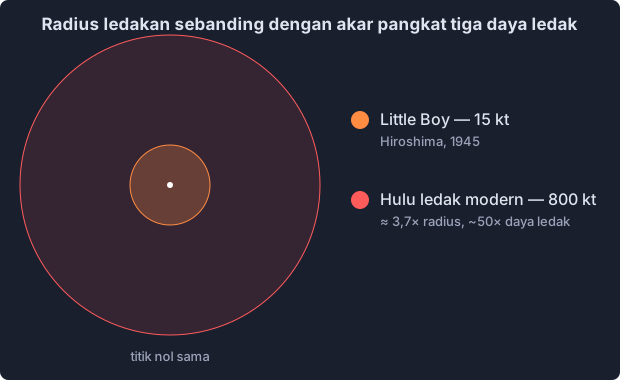
Menurut standar modern Little Boy tergolong kecil. Satu hulu ledak pada rudal balistik masa kini biasanya berkekuatan 300–800 kiloton, dua puluh hingga lima puluh kali Hiroshima. Muat pilihan siap pakai Hiroshima di atas kota Anda sendiri di simulator, lalu gantikan dengan hulu ledak modern 800 kt, dan perbedaannya berbicara dengan sendirinya. Konteks lebih lanjut: cara kerja senjata nuklir dan arsenal dunia saat ini.