

Sejarah Uji Coba Nuklir: dari Trinity hingga Larangan Uji Coba
Antara 1945 dan 1996 negara-negara nuklir dunia melakukan lebih dari 2.000 ledakan uji coba nuklir: di gurun, di atol-atol Pasifik, di Arktik, di bawah air, dan jauh di bawah tanah. Gabungan daya ledaknya setara dengan puluhan ribu Hiroshima.
Trinity, 1945
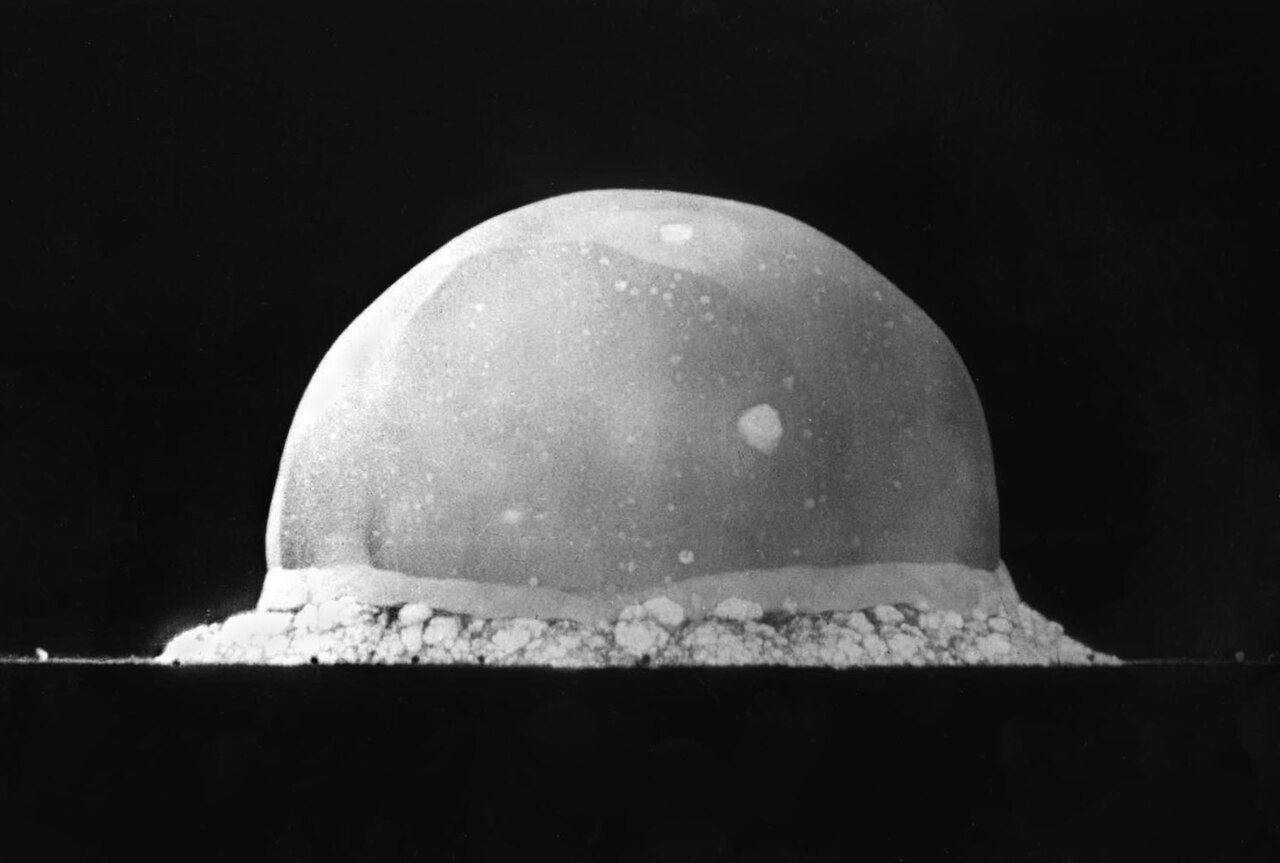
Era nuklir dimulai pukul 05.29 pada 16 Juli 1945 di gurun New Mexico, ketika perangkat nuklir pertama di dunia, bom plutonium implosi yang dijuluki “the Gadget”, melepaskan sekitar 20 kiloton di lokasi Trinity. Tiga minggu kemudian teknologi yang sama dipakai di atas Hiroshima dan Nagasaki.
Era atmosfer: 1946–1962
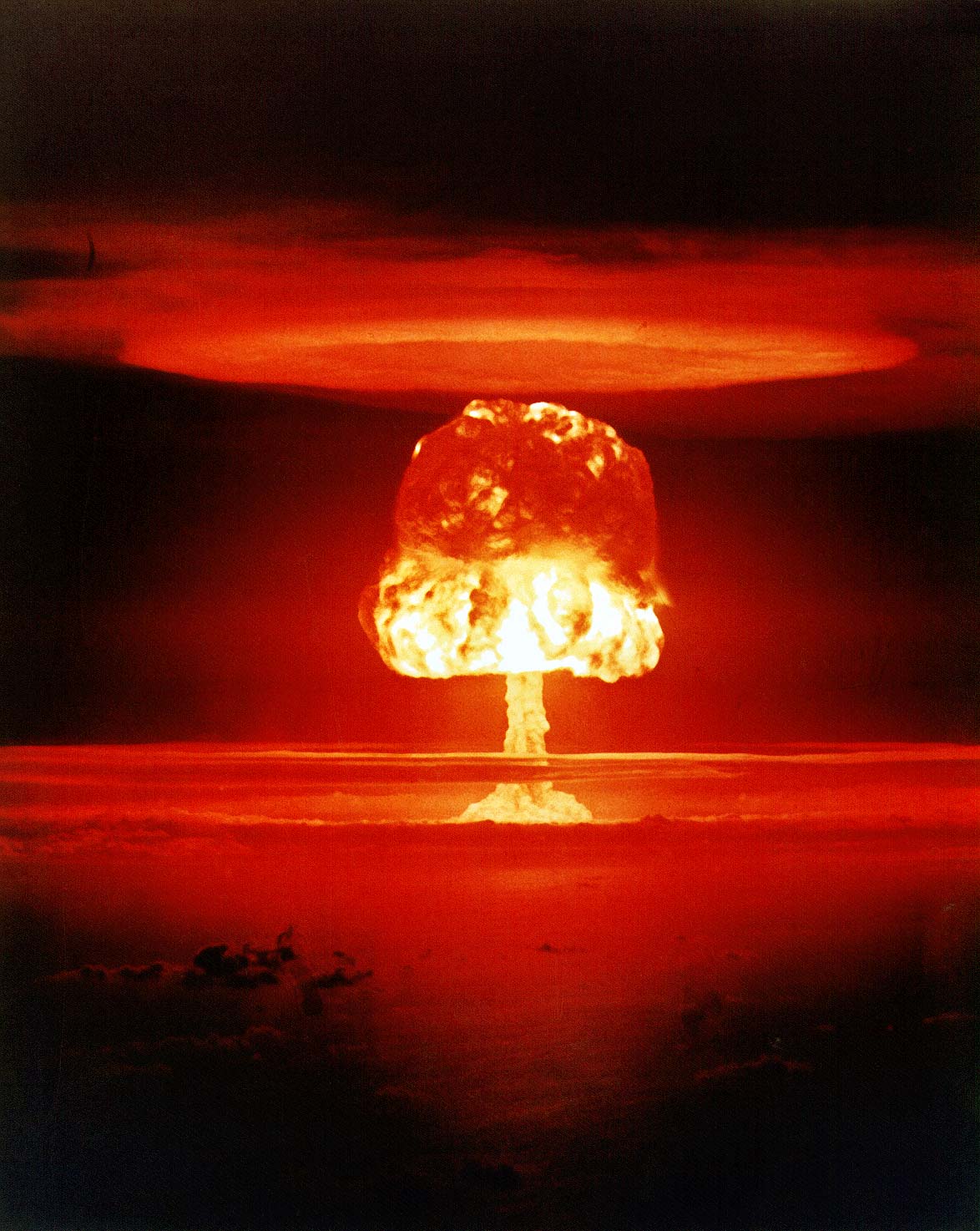
Setelah perang, Amerika Serikat memindahkan uji coba ke Kepulauan Marshall. Pada 1952 perangkat termonuklir sejati pertama, Ivy Mike (10,4 Mt), menghapus pulau kecil Elugelab dari peta. Pada 1954 ledakan Castle Bravo lepas kendali hingga 15 megaton, dua setengah kali lipat dari perkiraan, dan jatuhan radioaktifnya mencemari atol-atol berpenghuni serta sebuah kapal nelayan Jepang, menyadarkan dunia akan bahaya jatuhan radioaktif.
Uni Soviet menguji bom pertamanya pada 1949, rancangan termonuklir pertamanya pada 1953–1955, dan pada 1961 meledakkan Tsar Bomba berkekuatan 50 megaton di atas Novaya Zemlya, ledakan terbesar dalam sejarah manusia. Inggris (1952), Prancis (1960), dan Tiongkok (1964) bergabung dalam klub itu. Tahun puncaknya adalah 1962, dengan lebih dari 170 ledakan uji coba.
Bawah tanah: 1963–1996
Keresahan publik atas stronsium-90 dalam gigi anak-anak ikut melahirkan Perjanjian Larangan Uji Coba Terbatas 1963, yang melarang uji coba di atmosfer, di bawah air, dan di antariksa. Uji coba itu sendiri tidak melambat, hanya berpindah ke bawah tanah, ke Nevada Test Site dan lokasi uji coba Semipalatinsk di Kazakhstan, tempat lebih dari tiga perempat seluruh uji coba nuklir berlangsung. Prancis melanjutkan uji coba atmosfer di Polinesia hingga 1974, Tiongkok hingga 1980.
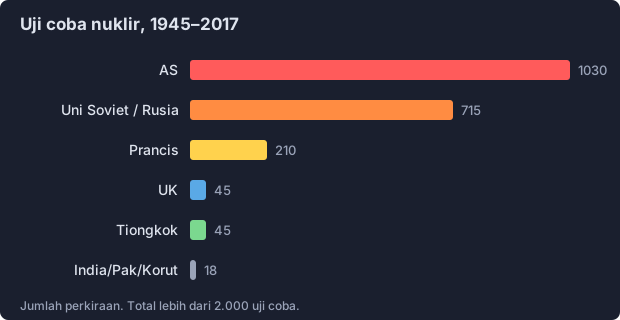
Jumlah dan larangan
- Amerika Serikat: sekitar 1.030 uji coba
- Uni Soviet: 715
- Prancis: 210
- Inggris dan Tiongkok: masing-masing 45
- India, Pakistan (1998), dan Korea Utara (2006–2017): masing-masing segelintir
Perjanjian Pelarangan Menyeluruh Uji Coba Nuklir dibuka untuk ditandatangani pada 1996 dan dipatuhi sebagai moratorium de facto oleh setiap negara nuklir kecuali Korea Utara, yang uji cobanya pada 2017, diperkirakan jauh di atas 100 kiloton, hingga kini tetap menjadi ledakan nuklir terakhir di Bumi. Anda dapat menciptakan ulang setiap ledakan bersejarah ini di simulator: daftar pilihan siap pakainya mencakup Trinity, Hiroshima, Nagasaki, Ivy Mike, Castle Bravo, dan Tsar Bomba.