















Efeitos de uma explosão nuclear
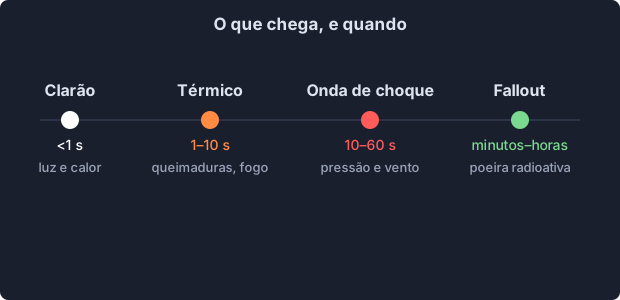
Uma detonação nuclear ataca tudo ao redor por vários mecanismos distintos, que chegam um após o outro nos primeiros segundos e minutos. São exatamente os anéis que o simulador desenha no mapa.
A bola de fogo
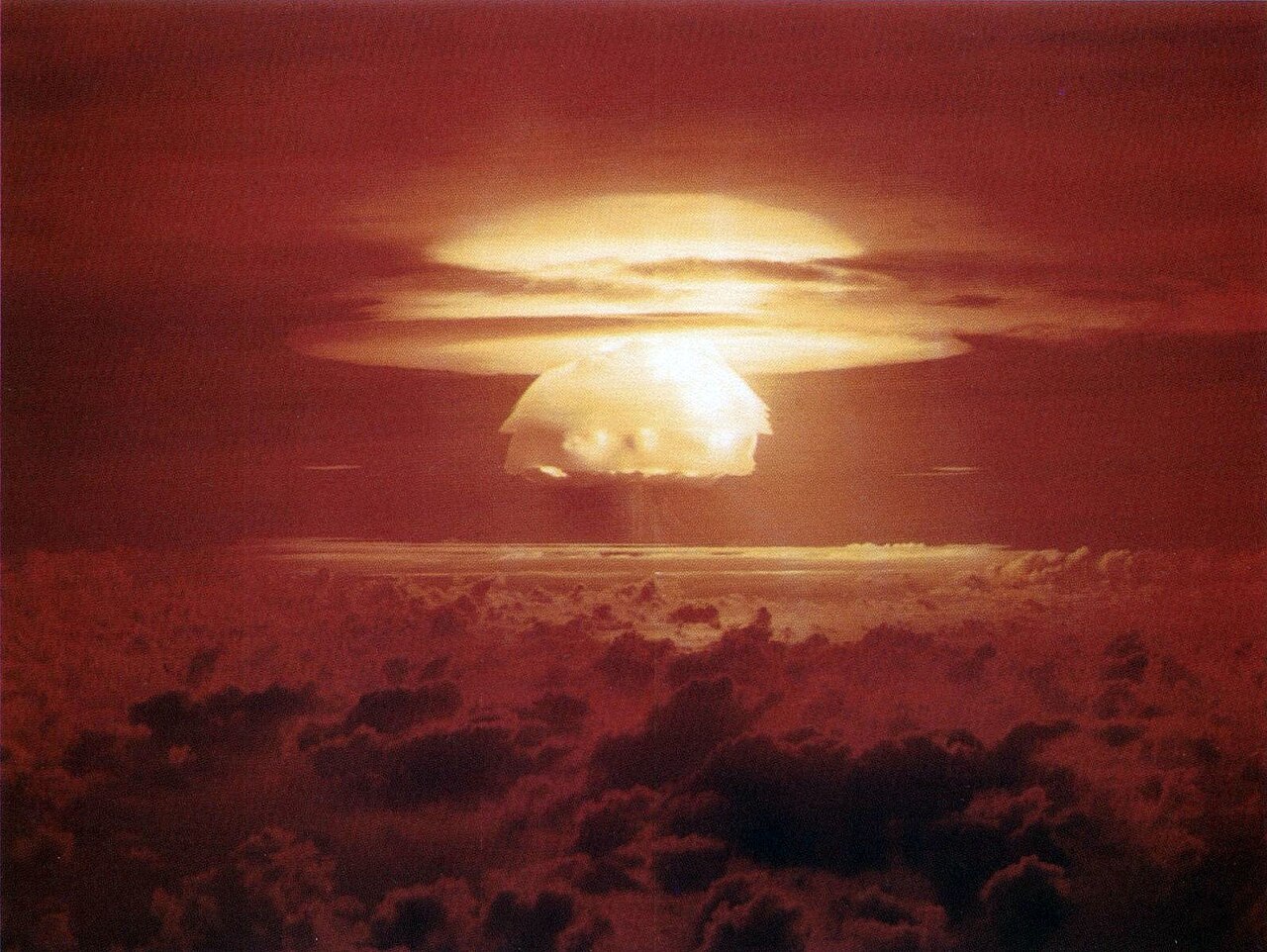
Em um milionésimo de segundo, a energia da arma se concentra numa bola de plasma mais quente que o núcleo do Sol. Numa explosão de 1 megaton, a bola de fogo cresce até uns dois quilômetros de diâmetro. Tudo dentro dela é vaporizado. Se a bola de fogo toca o chão, quantidades enormes de solo são sugadas e irradiadas; é isso que torna uma explosão «suja», com precipitação radioativa local.
Radiação térmica: o clarão
Por vários segundos a bola de fogo brilha com um pulso de calor intenso que viaja à velocidade da luz. Perto da explosão ele provoca incêndios; mais longe, causa queimaduras de terceiro, segundo e primeiro grau na pele exposta; numa arma da classe de megatons, queimaduras graves ocorrem a muitos quilômetros, bem além da zona em que os prédios desabam. O clarão também é forte o bastante para causar cegueira temporária ou permanente em quem estiver olhando na direção dele.
A onda de choque
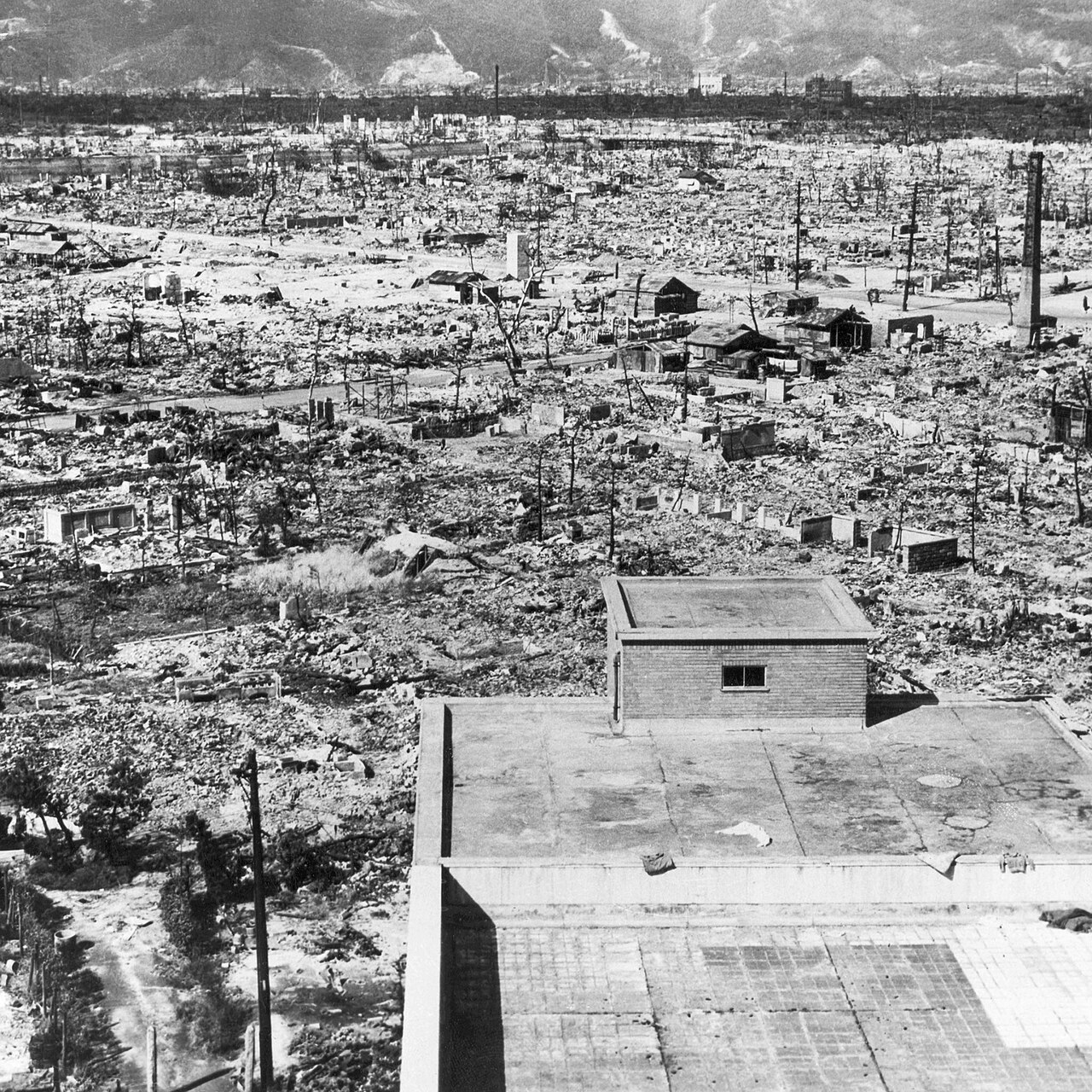
Cerca de metade da energia da arma se transforma numa frente de choque de ar comprimido, seguida de ventos com força de furacão. O dano é medido em sobrepressão: a 20 psi, até estruturas de concreto armado vão ao chão; a 5 psi, casas comuns desabam e praticamente todo mundo se fere; a 1 psi, os vidros se estilhaçam, o que já é perigoso por si só, porque o clarão chega primeiro e atrai as pessoas para as janelas. A onda de choque leva dezenas de segundos para alcançar os anéis externos, então saber que é preciso se abrigar depois do clarão realmente salva vidas.
Radiação nuclear inicial
No primeiro minuto há uma emissão intensa de nêutrons e raios gama. Uma dose acima de ~500 rem costuma ser fatal sem tratamento. Em armas pequenas, esse raio vai além do dano da onda de choque; nas grandes, ele fica enterrado bem dentro de zonas em que nada sobrevive de qualquer jeito.
Pulso eletromagnético
Raios gama interagindo com a atmosfera geram um pulso eletromagnético poderoso. Uma explosão em grande altitude pode derrubar eletrônicos e redes elétricas numa área de escala continental, mesmo onde nenhum outro efeito é sentido no solo.
Precipitação radioativa
Uma explosão na superfície lança milhares de toneladas de detritos irradiados no cogumelo atômico. As partículas mais pesadas caem de volta em poucas horas, na direção do vento, formando uma pluma em que a dose acumulada pode ser letal para quem estiver ao ar livre. A taxa de dose cai rápido: pela «regra 7:10», cada aumento de sete vezes no tempo reduz a taxa dez vezes. É por isso que se abrigar mesmo só no primeiro ou segundo dia melhora muito as chances de sobreviver. Uma explosão no ar cuja bola de fogo não toca o chão produz quase nenhuma precipitação radioativa local; compare os dois modos no simulador.
Consequências de longo prazo
Quem sobrevive a uma exposição significativa à radiação carrega risco elevado de câncer pelo resto da vida, como documentam décadas de estudos com os sobreviventes de Hiroshima e Nagasaki. Uma troca nuclear em grande escala também lançaria fuligem suficiente para resfriar o clima global (o cenário do «inverno nuclear»), ameaçando a agricultura no mundo todo. A metodologia por trás de cada efeito modelado está descrita aqui.