













Über NukeSimulator
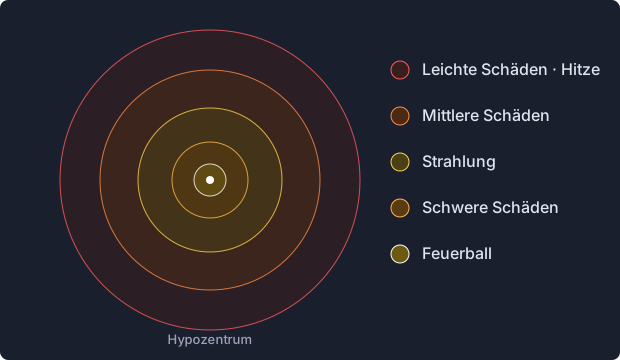
NukeSimulator ist ein kostenloser, interaktiver Simulator für Kernwaffenexplosionen. Sie zünden eine virtuelle Atomwaffe über einem beliebigen Punkt der Erde, über Ihrer Heimatstadt, einer Hauptstadt oder mitten im Ozean, und sehen die geschätzten Folgen direkt auf der Karte: den Feuerball, die Ringe der Druckwellenschäden, die Reichweite der Wärmestrahlung, die Strahlendosiszonen und die Fahne des radioaktiven Niederschlags.
Warum es diese Seite gibt
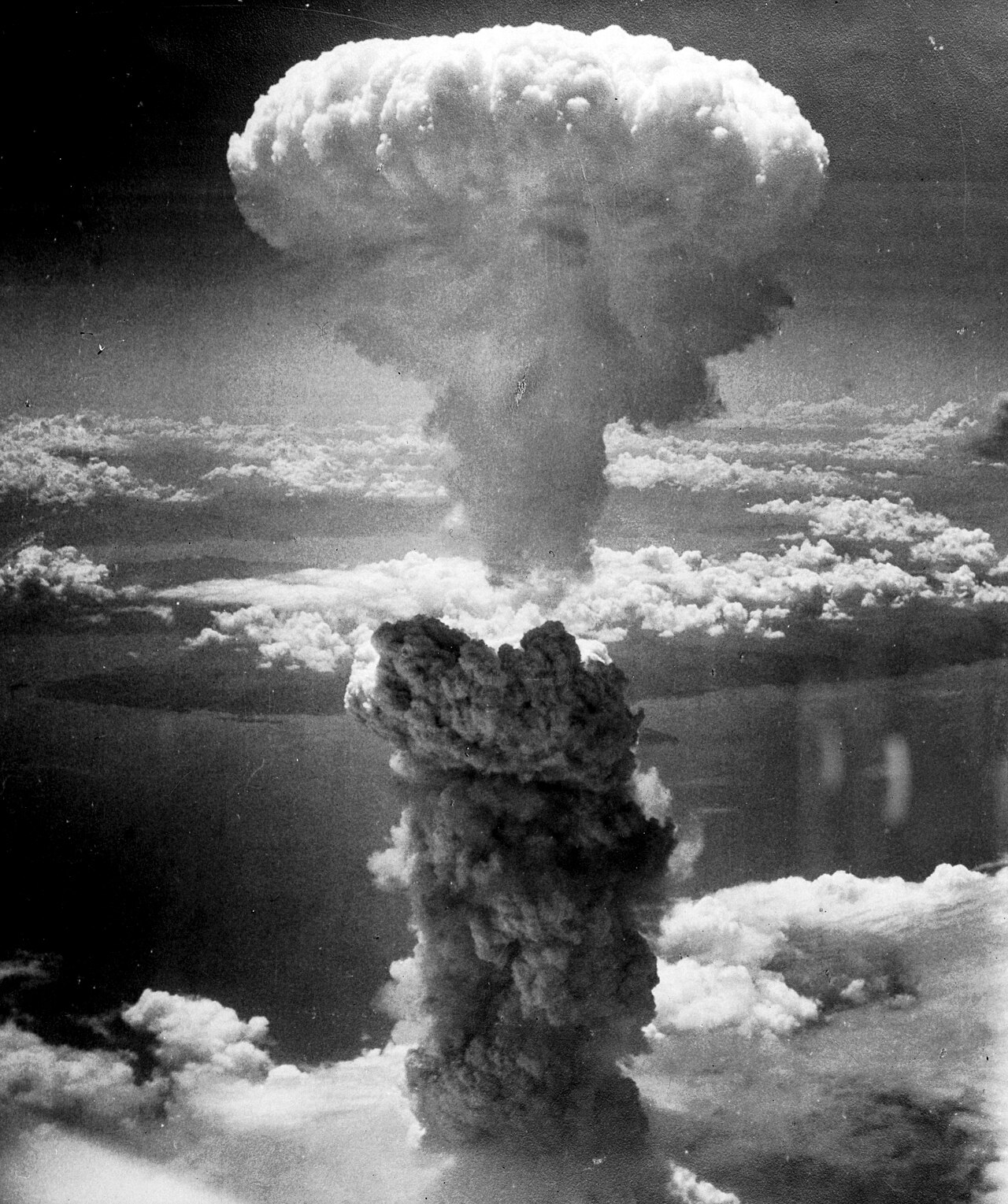
Für die meisten Menschen bleiben Kernwaffen abstrakt. Zahlen wie „800 Kilotonnen“ sagen wenig, solange man nicht sieht, was diese Sprengkraft mit einer Stadt anrichtet, die man kennt. Wer die Physik auf eine vertraute Karte legt, macht aus Statistik etwas Greifbares, und genau dieses Verständnis ist der Sinn des Projekts. NukeSimulator ist ein Bildungswerkzeug: Es verherrlicht Kernwaffen nicht, sondern zeigt, warum sie nie wieder eingesetzt werden dürfen.
Die Idee, nukleare Wirkungen auf einer Webkarte darzustellen, stammt vom Wissenschaftshistoriker Alex Wellerstein und seinem Projekt NUKEMAP; diese Seite steht in dieser Tradition. Die zugrunde liegende Physik stammt aus öffentlich zugänglichen, freigegebenen Quellen; Einzelheiten stehen auf der Seite zur Methodik.
So benutzen Sie den Simulator
- Ziel wählen. Nehmen Sie eine der voreingestellten Städte, suchen Sie einen beliebigen Ort oder ziehen Sie die Markierung einfach irgendwohin auf der Karte.
- Waffe wählen. Wählen Sie einen realen historischen oder heute stationierten Sprengkopf, von der 20-Tonnen-Waffe Davy Crockett bis zur geplanten 100-Megatonnen-Version der Zar-Bombe, oder geben Sie eine beliebige Sprengkraft in Kilotonnen ein.
- Detonieren. Die Karte zeigt die Wirkungsringe; ein Klick auf „Was bedeutet das?“ erklärt jede Zone in verständlicher Sprache. Sie können zwischen Luft- und Bodendetonation umschalten, die Falloutfahne einblenden, mehrere Detonationen überlagern und einen dauerhaften Link zu Ihrem Szenario teilen.
Was die Ergebnisse bedeuten und was nicht
Jede Zahl, die der Simulator ausgibt, ist eine wissenschaftliche Schätzung auf Grundlage idealisierter Modelle. Reale Explosionen hängen von Wetter, Gelände, Bebauungsdichte und der genauen Konstruktion der Waffe ab, sodass die tatsächlichen Wirkungen abweichen würden. Betrachten Sie die Ausgabe als fundierte Näherung zum Lernen und Diskutieren, nicht als Werkzeug für den Katastrophenschutz. Die Seite über die Wirkungen einer Kernexplosion erklärt jeden Schadensmechanismus im Einzelnen.
Mehr erfahren
Wer sich neu mit dem Thema befasst, liest am besten in dieser Reihenfolge: wie Kernwaffen funktionieren, dann was eine Explosion tatsächlich anrichtet, dann Hiroshima und Nagasaki, die einzigen beiden Einsätze dieser Waffen gegen Menschen, und zuletzt wer heute Kernwaffen besitzt.
Wer hinter der Seite steht
NukeSimulator wird von Alex entwickelt und betreut, einem unabhängigen Webentwickler, der seit Mitte der 2000er-Jahre Websites baut. In über zwanzig Jahren freiberuflicher Arbeit hat er alles gemacht, von kleinen Nachschlageseiten bis zu kartenbasierten Diensten, und dieses Projekt, online seit 2022, ist aus zwei langjährigen Interessen entstanden: interaktiven Karten und der Geschichte des Atomzeitalters. Er schreibt den Code, hält die physikalischen Modelle aktuell, erstellt die Artikel und beantwortet die Post selbst; Übersetzungen werden nach Möglichkeit von Muttersprachlern geprüft.
Kontakt
Sie haben einen Fehler in den Zahlen gefunden, eine Idee für den Simulator, wollen darüber schreiben oder ihn im Unterricht einsetzen? Nutzen Sie die Kontaktseite oder schreiben Sie an [email protected]; jede Nachricht wird gelesen. Korrekturen historischer Daten und Übersetzungen sind besonders willkommen.