













आज की दुनिया के परमाणु शस्त्रागार
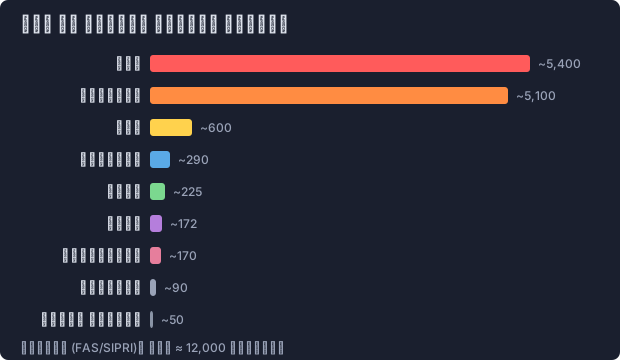
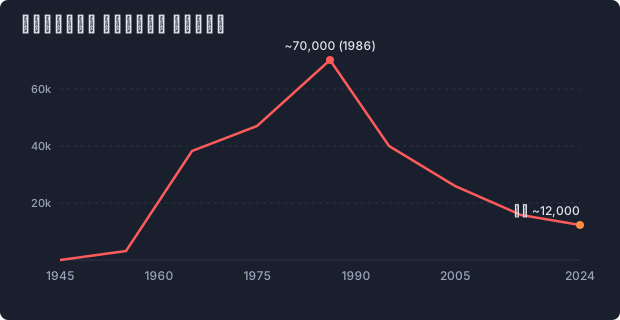
आज नौ देशों के पास परमाणु हथियार हैं। स्वतंत्र अनुमानों (सबसे ज़्यादा उद्धृत गिनतियाँ Federation of American Scientists और SIPRI प्रकाशित करते हैं) के अनुसार दुनिया का कुल भंडार लगभग 12,000 वॉरहेड है, जो 1986 के शीत युद्ध के चरम (क़रीब 70,000) से काफ़ी कम है, लेकिन सभ्यता को कई बार नष्ट करने के लिए अब भी काफ़ी है।
किसके पास क्या है
- रूस: लगभग 5,400 वॉरहेड, दुनिया का सबसे बड़ा भंडार, साइलो और मोबाइल ICBM (टोपोल परिवार और उसके उत्तराधिकारियों सहित), पनडुब्बियों और बमवर्षकों पर।
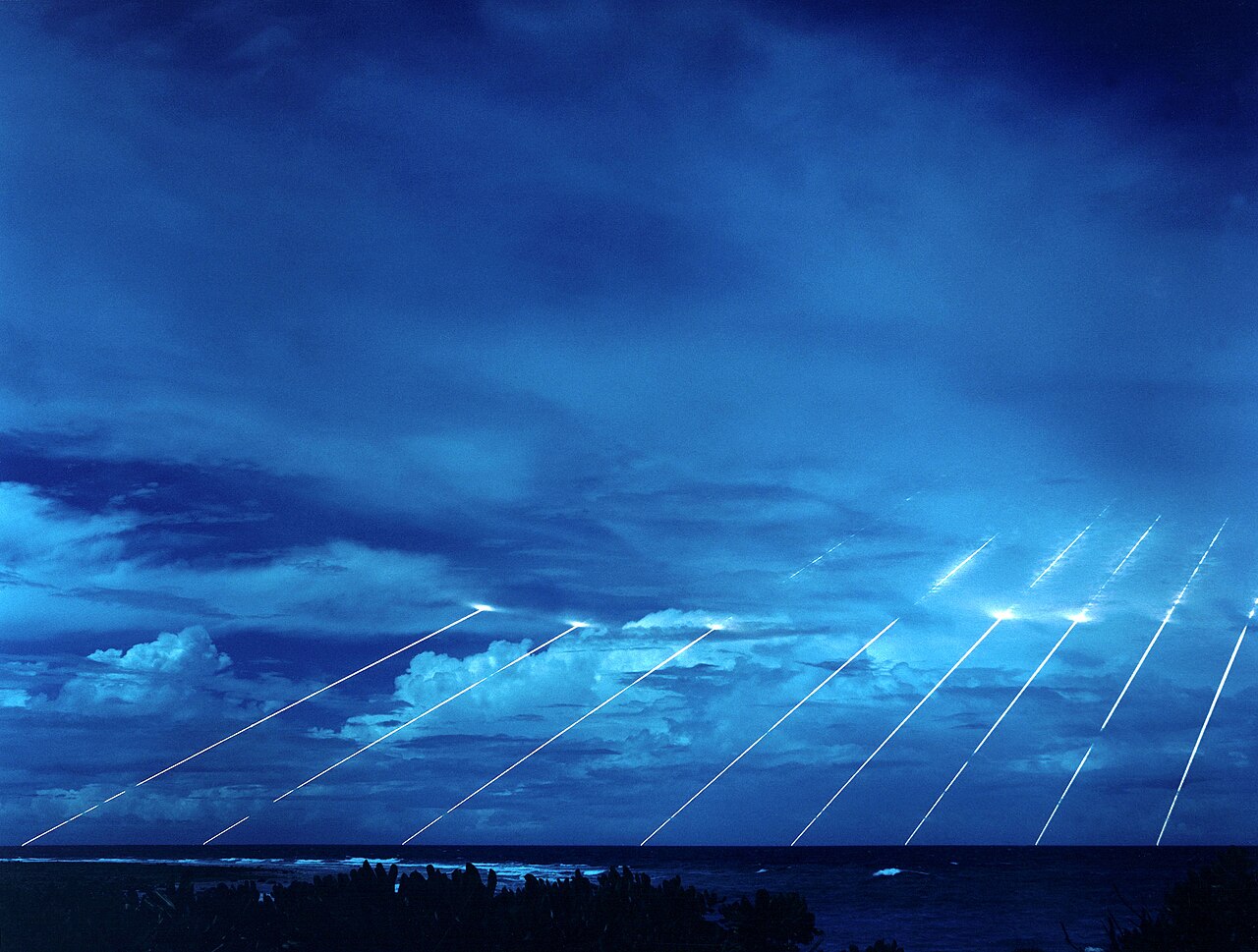
- अमेरिका: लगभग 5,100 वॉरहेड, मिनटमैन III ICBM बल, ट्राइडेंट पनडुब्बियों और सामरिक बमवर्षकों पर, जिनमें 1.2 मेगाटन का B83 बम भी है, जो उसके मौजूदा शस्त्रागार का सबसे बड़ा हथियार है।
- चीन: लगभग 600 वॉरहेड, जो किसी भी अन्य शस्त्रागार से तेज़ी से बढ़ रहा है; नए मिसाइल साइलो क्षेत्र निर्माणाधीन हैं।
- फ़्रांस: लगभग 290 वॉरहेड, पनडुब्बियों और विमानों पर।
- ब्रिटेन: लगभग 225 वॉरहेड, पूरी तरह ट्राइडेंट पनडुब्बियों पर।
- भारत और पाकिस्तान: दोनों के पास लगभग 170–180, एक-दूसरे के ख़िलाफ़ तेज़ी से बदलते क्षेत्रीय प्रतिरोध में।
- इज़राइल: एक अघोषित शस्त्रागार, अनुमानतः लगभग 90 वॉरहेड।
- उत्तर कोरिया: कई दर्जन हथियारों के लिए पर्याप्त विखंडनीय सामग्री; इसके 2017 के परीक्षण की क्षमता 100 किलोटन से काफ़ी ज़्यादा थी।
तैनात बनाम भंडारित
इन वॉरहेडों का एक हिस्सा ही उड़ान के लिए तैयार मिसाइलों पर रखा हुआ है: रूस और अमेरिका के बीच कुछ हज़ार, जिनमें से हर पक्ष के कई सौ हर समय अलर्ट पर रहते हैं। बाक़ी रिज़र्व में हैं या नष्ट किए जाने की प्रतीक्षा में। अमेरिका और रूस के बीच आख़िरी बचा हथियार-नियंत्रण समझौता, न्यू START, फ़रवरी 2026 में समाप्त हो गया, जिससे दो सबसे बड़े शस्त्रागार आधी सदी में पहली बार आपसी निरीक्षण व्यवस्था के बिना रह गए।
नक्शे पर “सामान्य” वॉरहेड का क्या मतलब है
आज के सामरिक वॉरहेड ज़्यादातर 100 से 800 किलोटन के बीच हैं, हर एक हिरोशिमा बम से कई गुना ज़्यादा। ये अमूर्त संख्याएँ उसी पल ठोस हो जाती हैं जब आप इनमें से एक को किसी जाने-पहचाने शहर पर रखते हैं: वॉशिंगटन पर 800 किलोटन का रूसी वॉरहेड या न्यूयॉर्क पर वैसा ही हमला आज़माएँ, फिर सिम्युलेटर में अपना शहर लोड करें।
वॉरहेड किसी देश की सेना का सिर्फ़ एक पैमाना हैं। हमारा सहयोगी प्रोजेक्ट ArmySimulator 180 देशों की पारंपरिक सेनाओं और रक्षा बजट की तुलना करता है।
स्रोत
वॉरहेडों की गिनतियाँ स्वतंत्र शोधकर्ताओं द्वारा आधिकारिक बयानों, संधि के आँकड़ों और खुले स्रोतों से जुटाए गए अनुमान हैं; सटीक संख्याएँ सरकारी राज़ हैं और आँकड़े साल दर साल बदलते हैं। ये हथियार कैसे काम करते हैं, इसकी पृष्ठभूमि के लिए परमाणु हथियार कैसे काम करते हैं देखें; एक विस्फोट क्या करता है, इसके लिए देखें परमाणु विस्फोट के प्रभाव।